Uganda: Record Exports, Rising Concerns
4/29/2026
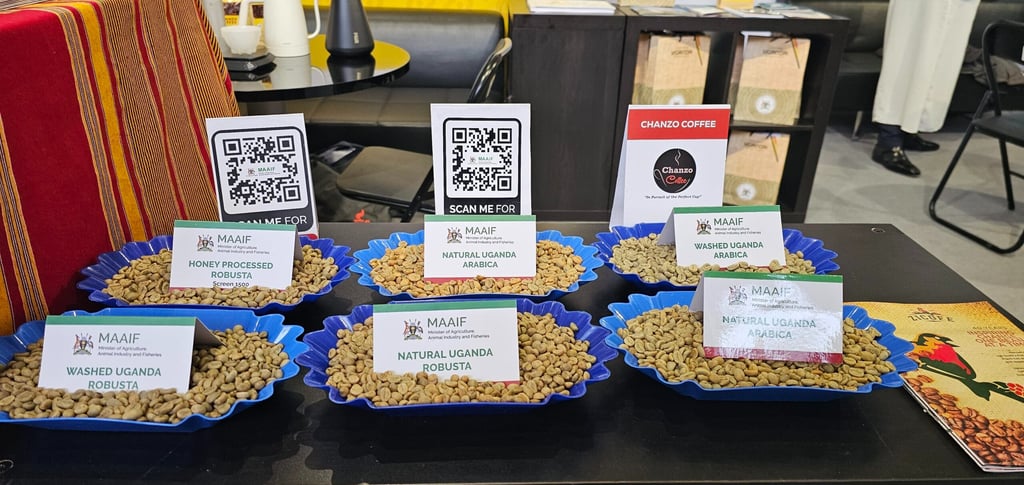
Uganda has set a historic milestone in the global coffee industry, exporting over 8.8 million 60‑kg bags in the past year and earning more than US$2.5 billion. This achievement marks a 41% increase in volume and a 61% rise in value compared to the previous season, positioning Uganda as Africa’s leading coffee exporter. Coffee now sustains the livelihoods of nearly 12.5 million Ugandans, from smallholder farmers to traders, and contributes up to 20% of the country’s formal exports. The surge reflects both the resilience of Uganda’s Robusta producers and the growing international demand for East African beans. For many communities, this boom is more than numbers—it represents improved incomes, expanded opportunities, and a renewed sense of pride in Uganda’s coffee heritage.
Yet, beneath the celebration lies a layer of uncertainty. Policymakers are currently debating the Protection of Sovereignty Bill 2026, which could restrict foreign investment and funding in Uganda’s agricultural sector. Analysts warn that such measures may undermine investor confidence and slow the momentum of coffee exports. At the same time, new international regulations like the EU Deforestation Regulation (EUDR), effective January 2026, require strict compliance on sustainability and traceability. For Uganda’s millions of smallholder farmers, adapting to these standards will be challenging without adequate support. The record exports showcase Uganda’s potential, but the future depends on balancing growth with sustainability, policy stability, and global market demands. For institutions like Roast Coffee Academy, this moment underscores the importance of training students not only in the craft of coffee but also in understanding the broader economic and regulatory forces shaping the industry.
Contact
Phone
roastcoffeeacademy@gmail.com
+256 709 581 905
© 2026. All Rights Reserved.
+254 795 556 625